
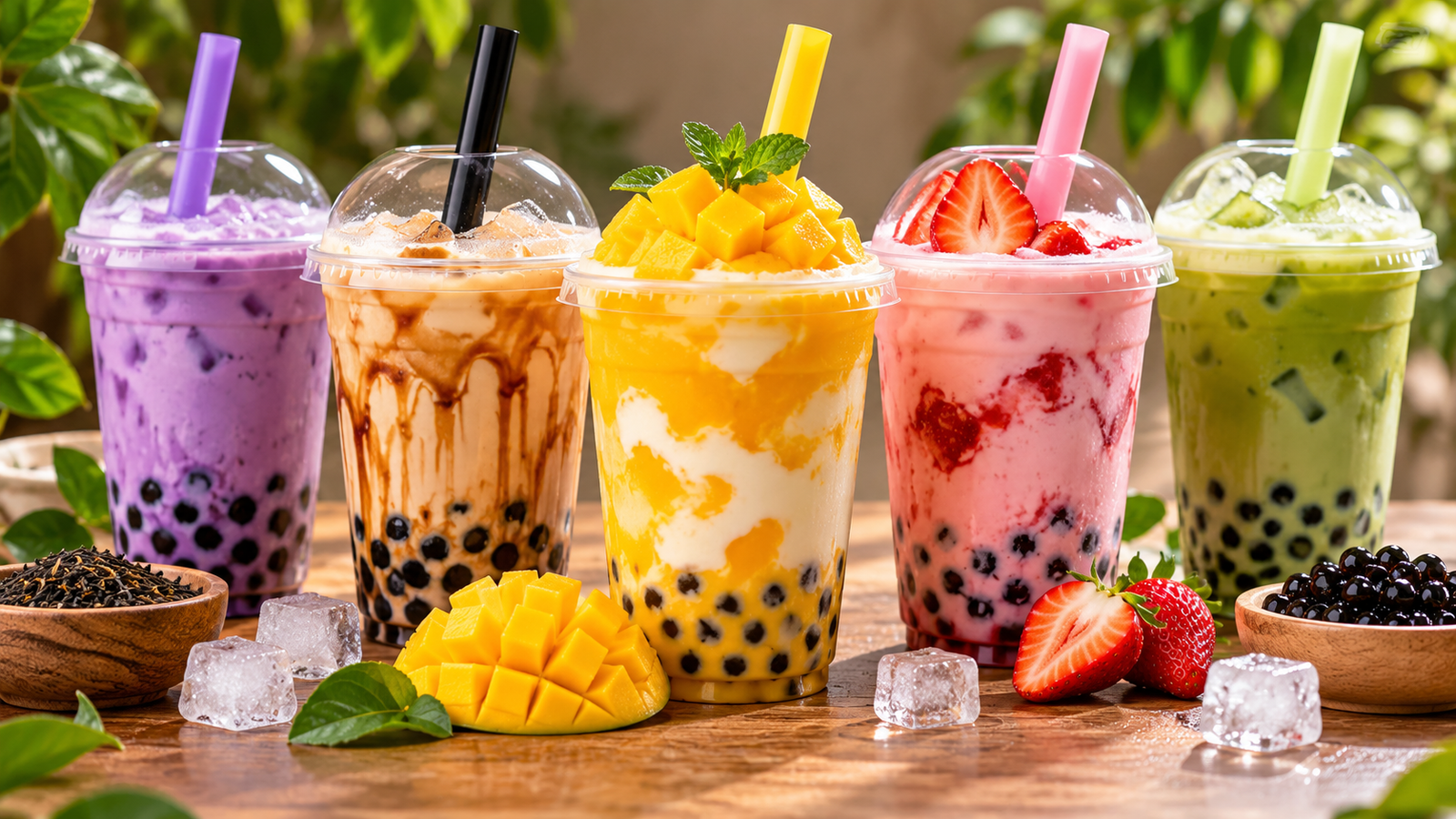
Babeltee is an emerging tea-drink concept associated with refreshing flavors, customizable ingredients, and creative beverage combinations. Often discussed alongside bubble tea and other modern tea-based drinks, Babeltee represents a flexible approach to enjoying tea with milk, fruits, natural sweeteners, herbs, and optional toppings. Its appeal comes from the freedom to experiment with different tastes, textures, and preparation methods, making it an interesting choice for people who enjoy personalized beverages.
As tea culture continues to evolve, drinks such as Babeltee reflect growing interest in flavorful refreshments that can be prepared according to individual preferences. Whether someone enjoys creamy milk tea, refreshing fruit tea, or a chilled drink with chewy tapioca pearls, the concept offers numerous possibilities. This comprehensive guide explores what Babeltee means, its background, popular ingredients, preparation methods, potential health benefits, and how it compares with traditional bubble tea.
What Is Babeltee?
Babeltee is a term used in some online food discussions to describe a customizable tea-based beverage concept. It generally refers to drinks that combine brewed tea with ingredients such as milk, fruit flavors, sweeteners, herbs, or toppings. Unlike traditional tea, which is commonly served with minimal additions, Babeltee emphasizes experimentation and individual taste preferences.
The term does not currently have a widely recognized, standardized recipe. Different descriptions may associate it with fruit-infused tea, milk tea, or bubble-tea-inspired refreshments. Therefore, Babeltee is best understood as a flexible beverage concept rather than a formally established drink category with fixed ingredients.
Understanding the Meaning of Babeltee
The meaning of Babeltee is closely connected with modern tea customization. Rather than following one specific recipe, the concept encourages combining tea with complementary flavors and textures.
For example, a refreshing version might contain green tea, mango puree, ice, and a small amount of honey. A creamier variation could include black tea, milk, brown sugar syrup, and tapioca pearls.
Both preparations fit the general idea of a personalized tea beverage, although neither should be considered an official Babeltee recipe.
Why Is Babeltee Becoming Interesting to Tea Lovers?
Modern beverage culture increasingly emphasizes variety, presentation, and personalization. Tea enthusiasts can explore different ingredients without being limited to conventional serving methods.
Babeltee fits this approach because it allows people to adjust sweetness, tea strength, temperature, and toppings according to their preferences.
Its association with colorful tea drinks also makes it relevant to conversations about homemade refreshments, cafe-style beverages, and creative drink recipes.
The Origin and Background of Babeltee
The precise historical origin of Babeltee has not been independently established. There is no clearly documented inventor, original recipe, or universally recognized location associated with the term.
However, its contemporary interpretation shares characteristics with established tea traditions and the development of customizable beverages.
Connection With Taiwanese Bubble Tea
Bubble tea originated in Taiwan during the 1980s and later became popular internationally. It is commonly prepared using tea, milk or fruit flavorings, sweeteners, and toppings such as tapioca pearls.
The drink is also known as boba tea, pearl milk tea, or tapioca milk tea, depending on its ingredients and regional terminology.
Babeltee is sometimes discussed in a similar context because both concepts emphasize flavorful tea combinations and optional toppings. Nevertheless, the documented Taiwanese history of bubble tea should not automatically be attributed to Babeltee.
Influence of Modern Tea Culture
Tea has been consumed for centuries across Asia and other parts of the world. Different cultures have developed distinctive preparation methods involving milk, spices, herbs, citrus fruits, and sweeteners.
Contemporary tea beverages build upon these traditions by introducing new flavor combinations and presentation styles.
Babeltee can be understood within this broader development, where familiar tea ingredients are adapted into modern refreshments.
From Traditional Tea to Customized Beverages
Traditional tea preparation often focuses on the aroma and flavor of the tea leaves themselves. Modern specialty drinks may incorporate several additional ingredients to create a more complex taste and texture.
This shift has encouraged experimentation with fruit purees, flavored syrups, dairy alternatives, and different toppings.
Babeltee reflects this customizable approach rather than replacing established tea traditions.
Popular Ingredients Used in Babeltee
One of the most appealing aspects of Babeltee is the ability to combine ingredients according to personal preference. The foundation is generally brewed tea, while the remaining components determine the beverage’s sweetness, texture, appearance, and overall flavor.
Tea Bases
The tea base influences the character of the finished drink.
Black tea provides a bold, full-bodied flavor that pairs well with milk, brown sugar, and creamy toppings. Its stronger taste can remain noticeable even when other ingredients are added.
Green tea offers a lighter, sometimes grassy flavor that complements citrus fruits, tropical flavors, and refreshing iced preparations.
Oolong tea has a flavor profile that varies depending on its processing and oxidation. It can provide floral, roasted, or fruity notes.
Herbal infusions such as hibiscus, peppermint, or chamomile can also be used for tea-inspired variations. Many herbal infusions are naturally caffeine-free, although their ingredients and properties differ from true tea.
Milk and Dairy Alternatives
Milk adds richness and creates a smoother texture. Whole milk is commonly used in creamy tea beverages, while lower-fat milk provides a lighter alternative.
Plant-based options such as oat milk, almond milk, soy milk, and coconut milk offer additional flavor possibilities.
Each type affects the final result differently. Oat milk may provide a creamy texture, while coconut milk adds a distinct tropical character.
Fruits and Natural Flavorings
Fruit ingredients can transform a basic tea into a refreshing beverage. Mango, strawberry, peach, passion fruit, lemon, and lychee are suitable choices for experimenting with different flavor profiles.
Fresh fruit purees may provide a more natural fruit texture, while syrups are convenient for achieving consistent sweetness.
Mint, ginger, cinnamon, and other aromatic ingredients can also add complexity.
Sweeteners and Toppings
Sugar, honey, brown sugar syrup, and other sweeteners can be added according to taste. Their quantities should be adjusted carefully because fruit syrups and flavored toppings may already contain significant amounts of sugar.
Optional toppings include tapioca pearls, popping boba, fruit jelly, and aloe vera pieces.
These ingredients introduce different textures, turning a simple beverage into a more elaborate refreshment.
Different Types and Flavors of Babeltee
Because Babeltee does not follow one standardized formula, it can be prepared in numerous styles. The following variations are practical recipe ideas inspired by contemporary tea-drink culture rather than officially recognized Babeltee products.
Classic Milk Babeltee
A classic milk-based variation combines strong black tea with milk and a moderate amount of sweetener.
The result is smooth, creamy, and suitable for people who enjoy traditional milk tea. Ice can be added for a chilled version, while tapioca pearls provide additional texture.
Fruity Babeltee
Fruit-based Babeltee uses green tea or another light tea base combined with fruit puree or juice.
Mango, peach, strawberry, and passion fruit are particularly suitable for refreshing combinations. These beverages are often served cold to emphasize their bright fruit flavors.
Brown Sugar Babeltee
A brown sugar variation combines black tea, milk, and brown sugar syrup. Tapioca pearls may be included to create a bubble-tea-inspired drink.
The syrup contributes caramel-like sweetness and can produce an attractive layered appearance when added along the sides of a serving glass.
Herbal Babeltee
Herbal variations use ingredients such as hibiscus, peppermint, or chamomile instead of conventional black or green tea.
These preparations may appeal to people seeking different flavors or caffeine-free options, depending on the herbs selected.
Tropical Babeltee
Tropical versions combine tea with mango, pineapple, passion fruit, or coconut flavors.
Green tea works particularly well as a base because its lighter character allows the fruit flavors to remain prominent.
How to Make Babeltee at Home
Preparing Babeltee at home is relatively simple because the concept allows flexibility in ingredient selection. You do not need specialized commercial equipment to create a refreshing tea drink.
The following recipe produces a creamy, bubble-tea-inspired version using ingredients that are commonly available in supermarkets or specialty grocery stores.
Ingredients for Homemade Babeltee

Classic Creamy Babeltee
Servings: 2 | Preparation: approximately 20–35 minutes, depending on the tapioca pearls used
-
2 cups brewed black tea
-
½ cup milk or plant-based milk
-
¼ cup cooked tapioca pearls
-
1–2 tablespoons brown sugar syrup, adjusted to taste
-
Ice cubes
-
Optional vanilla or fruit flavoring
Step 1: Brew the Tea
Begin by heating water to an appropriate temperature for your chosen tea. Steep black tea according to the package instructions, generally for several minutes.
A slightly stronger brew works well for milk-based drinks because the tea flavor becomes more diluted after adding milk and ice.
Remove the tea leaves or tea bags and allow the brewed tea to cool.
Step 2: Prepare the Tapioca Pearls
Cook tapioca pearls according to the manufacturer’s instructions. Cooking times vary considerably between quick-cooking and traditional varieties.
Once cooked, drain the pearls and mix them with a small amount of brown sugar syrup if desired.
Use the pearls promptly for the best texture, following any storage and food-safety guidance on the packaging.
Step 3: Combine the Ingredients
Divide the cooked tapioca pearls between two serving glasses. Add the brown sugar syrup and a few ice cubes.
Pour the cooled black tea over the ingredients, followed by the milk.
Stir gently until the tea, milk, and sweetener are evenly combined.
Step 4: Customize the Flavor
Taste the drink before adding additional sweetener. If you prefer a fruitier version, experiment with a small quantity of fruit puree.
For a stronger tea flavor, reduce the milk slightly. For a lighter beverage, increase the proportion of ice or use a less concentrated tea base.
Step 5: Serve Fresh
Serve the finished Babeltee immediately while the ice is cold and the tapioca pearls retain their preferred texture.
A wide reusable straw can make it easier to enjoy drinks containing pearls, although tapioca toppings should be avoided for young children and others at increased risk of choking.
Potential Health Benefits and Nutritional Considerations of Babeltee
The nutritional value of Babeltee depends entirely on the ingredients and quantities used. A beverage prepared with unsweetened tea and fresh fruit will have a different nutritional profile from one containing sweetened milk, flavored syrups, and large portions of tapioca pearls.
Consequently, Babeltee should not be described as inherently healthy or unhealthy without examining its actual composition.
Antioxidants From Tea
Black and green teas naturally contain polyphenols, including compounds studied for their antioxidant properties.
These compounds are part of the reason tea is frequently examined in nutrition research. However, consuming tea does not guarantee specific medical benefits or prevent disease.
The overall dietary pattern matters more than any single beverage.
Hydration and Refreshment
Tea-based drinks contribute to daily fluid intake. Unsweetened tea can be a practical alternative to beverages containing large quantities of added sugar.
Chilled fruit tea may also provide a refreshing option during warm weather.
However, hydration benefits do not eliminate the need to consider sugar content and serving size.
Managing Sugar Intake
Sweetened tea drinks can contain substantial amounts of added sugar, particularly when several syrups or sweetened toppings are combined.
Preparing Babeltee at home allows greater control over sweetness.
Using smaller quantities of syrup, choosing unsweetened milk, or relying on the natural flavor of fruit can help reduce added sugar.
Caffeine Considerations
Black tea, green tea, and oolong tea naturally contain caffeine. The amount in a finished drink varies according to the tea variety, brewing method, and portion size.
People who are sensitive to caffeine may prefer smaller servings or suitable caffeine-free herbal infusions.
Pregnant individuals and people with relevant medical conditions should follow appropriate professional guidance regarding caffeine intake.
Tapioca Pearls and Calories
Tapioca pearls are primarily a source of starch. They provide a distinctive chewy texture but generally contribute little protein or fiber.
Adding large portions of pearls, sweetened milk, and syrups can increase the energy content of the finished beverage.
For a more balanced option, consider smaller portions of toppings and moderate sweetness.
Babeltee vs. Bubble Tea: Understanding the Differences
Babeltee and bubble tea share several possible characteristics, particularly when both are prepared with tea, milk, flavorings, and toppings.
However, an important distinction is that bubble tea is an established beverage category with a documented Taiwanese background, while Babeltee is described here as a flexible tea-drink concept without a confirmed standardized identity.
| Feature | Babeltee | Bubble Tea |
|---|---|---|
| Meaning | Informal, customizable tea-drink concept | Established tea-based beverage category |
| Origin | No independently confirmed origin | Taiwan, during the 1980s |
| Main ingredients | Tea with optional milk, fruit, herbs, and sweeteners | Tea with milk or fruit flavors and optional toppings |
| Tapioca pearls | Optional | Common but not required in every variation |
| Flavor options | Flexible and recipe-dependent | Wide range of established and customized flavors |
| Preparation | Varies by personal preference | Often follows recognizable bubble tea preparation methods |
| Availability | Not established as a standardized commercial category | Widely available through bubble tea shops internationally |
| Caffeine | Depends on the tea or infusion used | Depends on the tea base and recipe |
Which One Should You Choose?
If you enjoy experimenting with homemade tea recipes, Babeltee can serve as a useful concept for creating your own combinations.
If you want a recognizable cafe-style drink with familiar toppings and flavor options, bubble tea may be easier to find.
Neither option is automatically healthier. The ingredients, sweetness level, and serving size determine the nutritional differences.
Tips for Making the Best Babeltee
Creating a satisfying Babeltee involves balancing the strength of the tea with the sweetness, texture, and flavor of the additional ingredients.
Small adjustments can make a noticeable difference, particularly when preparing drinks at home.
Choose High-Quality Tea
The tea base forms the foundation of the beverage. Fresh, properly stored tea leaves or good-quality tea bags can improve flavor consistency.
Avoid over-steeping because excessive brewing may produce bitterness, particularly with some green teas.
Balance Sweetness and Flavor
Start with less sweetener than you think you need. Additional syrup can always be added after tasting, but excessive sweetness is difficult to reverse.
When using fruit puree, consider its natural sweetness before adding sugar.
Experiment With Textures
Tapioca pearls provide chewiness, while fruit jelly and popping boba offer different eating experiences.
Choose toppings that complement the drink rather than overwhelming its flavor.
Pay Attention to Temperature
Cold tea beverages generally taste best when the brewed tea has cooled before being combined with ice.
Adding ice to very hot tea can dilute the flavor quickly. Preparing the tea in advance can help maintain a stronger final taste.
Store Ingredients Safely
Milk, fruit purees, and cooked toppings require appropriate handling.
Keep perishable ingredients refrigerated, avoid leaving prepared drinks at room temperature for extended periods, and follow package instructions for cooked tapioca pearls.
Fresh preparation is usually preferable for drinks containing multiple perishable components.
The Future of Babeltee and Modern Tea Culture
Babeltee reflects the wider interest in personalized beverages and creative tea combinations. Although its development as a specific commercial category is not established, the ideas associated with it fit naturally into modern tea culture.
Consumers have many ways to explore flavors, ingredients, and serving styles, whether through homemade recipes or specialty beverage shops.
Interest in Customizable Drinks
Customization allows people to select their preferred tea base, milk type, sweetness level, and toppings.
This flexibility is particularly relevant to individuals with different taste preferences or dietary requirements.
Home preparation also makes it easier to understand exactly what goes into a beverage.
Exploring Plant-Based Ingredients
Plant-based milk alternatives have expanded the possibilities for creamy tea drinks.
Oat, soy, almond, and coconut milk can produce distinctive flavors and textures, giving tea enthusiasts more options when creating dairy-free recipes.
People with allergies should check ingredient labels carefully, particularly when using nut-based products.
Creative Flavor Combinations
Tea beverages can incorporate seasonal fruits, spices, floral ingredients, and regional flavors.
For example, mango and green tea can create a tropical refreshment, while black tea with cinnamon and milk produces a warmer, spiced variation.
Such combinations demonstrate the versatility of tea as a base for modern beverages.
Maintaining Quality and Transparency
As unfamiliar beverage names appear online, clear descriptions of ingredients and preparation methods remain important.
For Babeltee, reliable documentation would help establish whether the name develops into a recognized drink category or remains an informal description.
Regardless of terminology, consumers benefit from accurate information about ingredients, allergens, caffeine, and added sugar.
Frequently Asked Questions About Babeltee
1. What is Babeltee made of?
Babeltee is generally described as a customizable tea-based beverage that may include black tea, green tea, milk, fruit flavors, sweeteners, and optional toppings such as tapioca pearls. There is no universally established recipe, so ingredients can vary according to individual preferences.
2. Is Babeltee the same as bubble tea?
Not exactly. Bubble tea is an established Taiwanese beverage category, while Babeltee is discussed as a more loosely defined tea-drink concept. Both can involve tea, milk, fruit flavors, and toppings, but the terms should not automatically be treated as identical.
3. Is Babeltee healthy to drink?
Babeltee can be part of a balanced diet, depending on how it is prepared. Unsweetened tea with moderate amounts of milk or fruit may be a lighter option, while large servings containing sweetened syrups and tapioca pearls can have more sugar and calories.
4. Can I make Babeltee at home?
Yes. You can prepare a homemade Babeltee-style drink using brewed tea, milk or fruit puree, ice, and your preferred sweetener. Tapioca pearls or other toppings can be added for texture. The recipe is flexible and can be adjusted to suit your taste.
5. Does Babeltee contain caffeine?
Babeltee may contain caffeine if it is prepared using black tea, green tea, or oolong tea. The amount depends on the tea and brewing method. Versions prepared with suitable caffeine-free herbal infusions may contain little or no caffeine, depending on the ingredients.
Conclusion
Babeltee offers an interesting way to explore the versatility of tea through personalized flavors, ingredients, and preparation styles. Although the term does not have a universally verified origin or standardized recipe, its association with customizable tea beverages makes it relevant to modern food and drink discussions. From creamy black milk tea to refreshing fruit-infused combinations, the concept encourages experimentation while allowing individuals to control sweetness, texture, and serving preferences. Its similarities to bubble tea also provide useful context, particularly when considering tapioca pearls, flavored syrups, and contemporary tea-drink culture.
Ultimately, enjoying Babeltee is about finding combinations that suit your preferences while remaining mindful of ingredient quality and nutritional balance. Homemade preparation offers flexibility, whether you prefer traditional tea flavors, dairy-free alternatives, fresh fruit, or occasional sweet toppings. By understanding how different tea bases and ingredients work together, anyone can create a satisfying beverage inspired by the Babeltee concept. As interest in customizable refreshments continues, thoughtful preparation and accurate information will remain essential to enjoying these drinks responsibly.