
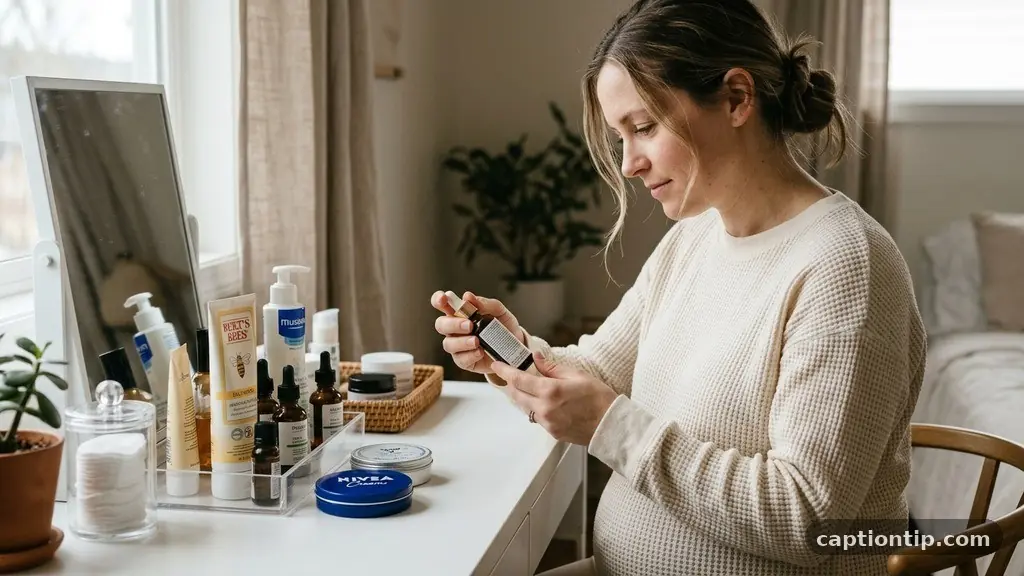
Navigating the skincare aisle while expecting can feel overwhelming, especially when you wonder, “I’m a pregnant woman. Are Nivea products safe compared to Burt’s Bees or Mustela?” It is natural to feel cautious about the ingredients you apply to your skin, as your body is undergoing significant physiological changes.
This article examines the safety profiles of these popular brands, helping you understand how to distinguish between conventional mass-market options and products specifically formulated for the prenatal period. You will learn which ingredients to prioritize, which to avoid, and how these brands measure up against one another in terms of safety and transparency.
When you ask, “I’m a pregnant woman. Are Nivea products safe compared to Burt’s Bees or Mustela?” the short answer is that all three brands are generally considered safe for external use by healthy adults. However, they cater to different philosophies and ingredient standards.
Mustela is specifically developed for maternity and baby care, often prioritizing hypoallergenic and natural-origin ingredients. Burt’s Bees focuses heavily on natural-origin labeling and avoids synthetic fragrances or phthalates. Nivea, a classic global brand, uses a more traditional formulation approach that includes synthetic preservatives and fragrances which some pregnant individuals prefer to avoid during their transition to cleaner beauty routines.
Understanding Ingredient Standards in Pregnancy
The primary concern for most pregnant individuals is the absorption of chemicals into the bloodstream. While the skin is an effective barrier, certain substances are flagged by dermatologists for caution. Parabens, phthalates, and strong synthetic fragrances are the most common ingredients that consumers try to eliminate during pregnancy.
Burt’s Bees and Mustela often market themselves as “cleaner” alternatives because they explicitly exclude these controversial additives. Nivea products, while strictly regulated and safe by global cosmetic standards, often include a broader list of synthetic components. These components ensure a longer shelf life and a specific sensory experience that is familiar to many users.
If you are particularly sensitive to scents, which is common during the first trimester, you might find that Nivea’s standard line is too perfumed for your liking. Conversely, Mustela offers fragrance-free options specifically designed for the heightened olfactory senses of pregnant women. Understanding the difference between regulatory safety and personal sensitivity is key to choosing your products.
The Role of Synthetic Fragrances
Fragrance is a complex topic in the beauty industry because the term “parfum” can hide hundreds of chemicals. When you investigate if Nivea products are safe compared to Burt’s Bees or Mustela, you are essentially looking at how each brand handles these hidden ingredients. Nivea relies on traditional fragrance profiles to maintain its iconic scent across its product lines.
Mustela and Burt’s Bees tend to lean toward natural essential oils or fragrance-free formulations. While essential oils are natural, they can still cause allergic reactions in some people. It is important to remember that “natural” does not automatically mean “non-irritating” for every individual.
If you have a history of eczema or sensitive skin, the source of the fragrance matters more than whether it is synthetic or botanical. You should always perform a patch test on your inner arm before applying a new lotion to your belly or limbs. This simple step protects you regardless of which brand you ultimately choose.
Comparing Brand Philosophies
Each of these brands serves a different market segment with distinct goals. Mustela acts as a specialist in the maternity space, often conducting clinical studies specifically on pregnant women and infants. This gives many expectant mothers peace of mind, as the products are tested for the specific physiological state of pregnancy.
Burt’s Bees occupies a space focused on “natural-origin” ingredients. They avoid chemicals like petrolatum, which is a common ingredient in many traditional skincare products. Because they prioritize plant-based derivatives, their ingredient lists are often shorter and easier to parse for the average consumer.
Nivea is the global leader in accessible, reliable skincare. Their products are designed to be effective and affordable for everyone, not just those with specific prenatal concerns. While they are safe, they do not specifically target the “clean beauty” market that many pregnant women seek out during their journey.
Data Comparison Table
To help you make an informed decision, this table compares the general positioning of the three brands in the context of pregnancy-safe skincare priorities.
| Brand | Primary Focus | Fragrance Approach | Common Philosophy |
|---|---|---|---|
| Mustela | Maternity & Baby | Low-allergen/None | Clinical/Natural-origin |
| Burt’s Bees | Natural-origin | Essential oils | Nature-based/Clean |
| Nivea | Universal Skincare | Traditional/Synthetic | Mass-market/Reliable |
Key Ingredients to Watch For
Regardless of the brand you pick, you should look at the label for specific ingredients. The American College of Obstetricians and Gynecologists provides guidance on health during pregnancy that can also inform your skincare choices. While most skincare is safe, some dermatological treatments like high-dose retinoids are generally avoided.
None of the standard lotions from Nivea, Burt’s Bees, or Mustela typically contain prescription-strength retinoids. However, checking the label for “Retinyl Palmitate” or other Vitamin A derivatives is a good habit. You might also want to avoid salicylic acid in high concentrations, which is sometimes found in acne-fighting body washes.
Stick to simple, hydrating ingredients like shea butter, cocoa butter, and jojoba oil. These are staples in products from all three brands mentioned. By focusing on the active ingredients rather than just the brand name, you gain more control over your prenatal skincare routine.
Building a Safe Routine
You do not need to overhaul your entire bathroom cabinet to be safe. Start by assessing the products you use most frequently, such as body lotions and stretch mark creams. These are the items that cover the largest surface area of your skin.
If you find that your current products are working well and do not contain known irritants, there is no medical reason to switch. However, if you are experiencing new sensitivities, switching to a brand like Mustela might offer relief. Many pregnant women find that their skin becomes significantly more reactive during the second and third trimesters.
Consider the following list of items to prioritize for a safe, simple routine:
- Hypoallergenic body wash to prevent irritation.
- Fragrance-free moisturizer for the belly and thighs.
- Physical-based sunscreen for daily UV protection.
- Gentle, sulfate-free cleansers for facial care.
Frequently Asked Questions
Is it safe to use products with parabens during pregnancy?
While global regulatory bodies generally deem parabens safe in the concentrations used in cosmetics, many pregnant women choose to avoid them as a precaution. Both Burt’s Bees and Mustela formulate many of their products to be paraben-free, making them popular choices for those who prefer to minimize exposure to synthetic preservatives.
Do I have to switch to organic products while pregnant?
You are not required to use organic products to have a healthy pregnancy. Safety in skincare is more about avoiding specific irritants and potentially harmful chemicals rather than the organic status of the ingredients. Focus on products that are dermatologist-tested and labeled as safe for sensitive skin.
Can I continue using my normal Nivea lotion?
Yes, standard Nivea products are safe for the vast majority of pregnant women. If you have used these products in the past without issues, there is no medical requirement to stop. If you develop new skin sensitivities, however, you may want to look for a fragrance-free version or a specialized maternity line.
Are essential oils in Burt’s Bees products safe?
Essential oils are generally safe for most people, but they are potent substances. Some pregnant women find that certain scents trigger nausea or headaches. If you are prone to skin reactions, always test a small area before applying the product to your entire body.
What is the best way to handle pregnancy-related skin changes?
Pregnancy often causes skin to become drier or more oily due to hormonal fluctuations. Hydration is the most important factor, so look for products containing glycerin, hyaluronic acid, or natural butters. If you experience severe rashes or persistent acne, consult your obstetrician or a dermatologist for guidance.
Embracing Your Personal Comfort
Ultimately, the choice between these brands often comes down to your personal values and your body’s unique reactions. If you feel more comfortable using products that emphasize natural-origin ingredients, Burt’s Bees or Mustela will likely align better with your preferences. If you prefer the consistency and affordability of a global standard, Nivea remains a safe and reliable option for many.
When asking, “I’m a pregnant woman. Are Nivea products safe compared to Burt’s Bees or Mustela?” remember that your comfort is a priority. Your skincare routine should be a source of relaxation rather than stress.
Take the time to read labels, listen to your skin, and reach out to your healthcare provider if you have specific concerns about your health. Enjoy this special time in your life, and trust that you are capable of making the best decisions for yourself and your baby.