
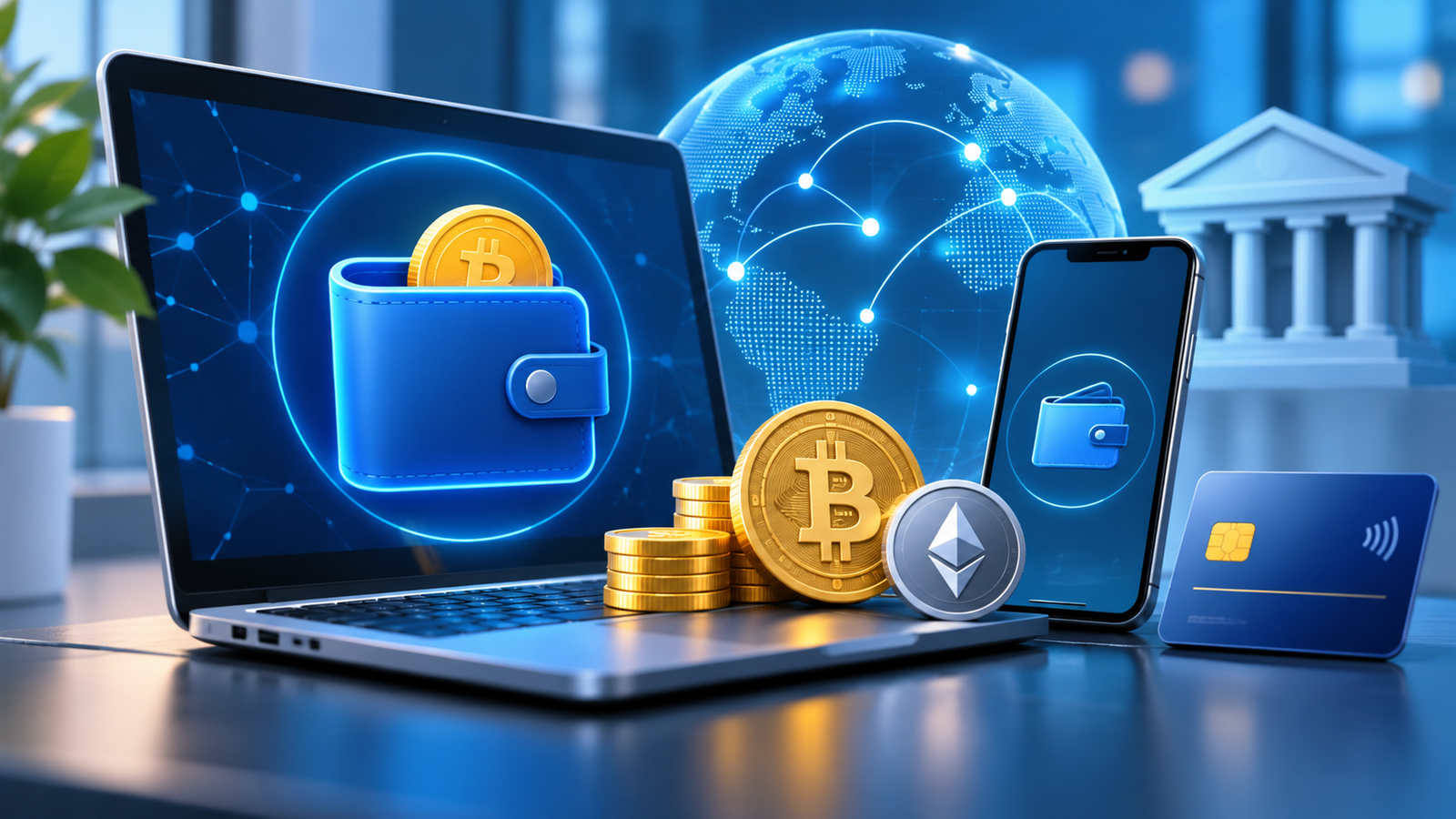
The financial world is changing rapidly as digital technology transforms how individuals and businesses manage money. Traditional banking systems are increasingly connected with online payment platforms, digital wallets, and blockchain-based financial solutions. Coyyn.com digital money is a search topic associated with these developments, particularly the growing interest in electronic transactions, financial technology, and modern money management.
Understanding digital money has become important for anyone who makes online purchases, transfers funds electronically, or explores new financial services. Coyyn.com is associated with digital finance information, but readers should distinguish educational content from verified financial products. This guide explores the meaning of Coyyn.com digital money, its connection to financial technology, potential benefits, security considerations, and the broader future of digital payments.
What Is Coyyn.com Digital Money?
Coyyn.com digital money refers to the topic of digital currencies, electronic payments, and financial technology in connection with the Coyyn.com website. The term generally attracts readers interested in understanding how modern financial systems support digital transactions and how technology is changing conventional money management.
Digital money is monetary value represented, stored, or transferred electronically rather than through physical banknotes and coins. It can include balances held in bank accounts, electronic money issued by authorized providers, and certain forms of digital currency. However, these categories operate under different legal, technological, and regulatory arrangements.
Understanding the Concept of Digital Money
Digital money allows financial value to move electronically between individuals, businesses, and institutions. Depending on the system, transactions may take place through banking networks, payment processors, mobile applications, or blockchain networks.
For example, transferring money through a banking application generally involves updating balances maintained by financial institutions. A cryptocurrency transaction, by comparison, may involve transferring control of digital assets through a distributed blockchain network.
Although both processes involve electronic value transfers, their underlying systems differ considerably.
The Role of Coyyn.com in Digital Finance
Coyyn.com is associated with discussions surrounding financial technology, digital currencies, and developments in online finance. Readers searching for Coyyn.com digital money may be looking for explanations of payment technologies, cryptocurrency concepts, or digital financial trends.
However, the availability of specific services, including a proprietary wallet, exchange, payment gateway, or investment platform, should not be assumed without checking current official documentation.
How Digital Money Works in Modern Financial Systems
Digital money relies on electronic infrastructure that records financial balances, authorizes transfers, and maintains transaction information. The exact process depends on whether the money exists within a conventional banking system, a regulated electronic money service, or a decentralized cryptocurrency network.
In traditional digital banking, financial institutions maintain account records and process transactions through established payment networks. In blockchain-based systems, transactions may be recorded on distributed ledgers maintained by participating network operators.
Electronic Payments and Transaction Processing
When someone makes an electronic payment, the relevant financial system verifies the payment instructions and determines whether the transaction can proceed. Depending on the payment method, this may involve authentication, balance checks, fraud screening, and communication between financial institutions.
A successful payment may appear immediately to the recipient, although final settlement can take longer. Transaction speed depends on the payment network, banking arrangements, regulatory requirements, and technical conditions.
Blockchain and Distributed Ledger Technology
Blockchain technology offers another method of recording digital transactions. Rather than relying exclusively on a single institution’s database, certain blockchain networks distribute transaction records among multiple participating computers.
Cryptographic techniques help protect the integrity of these records. Nevertheless, blockchain technology does not automatically guarantee privacy, consumer protection, or freedom from financial risk.
Not all digital money uses blockchain, and not every digital finance service requires cryptocurrency.
Key Features Associated With Digital Money
The growing popularity of digital financial services reflects several characteristics that make electronic transactions useful for modern consumers and businesses. These characteristics are relevant when researching Coyyn.com digital money and evaluating financial technology more broadly.
Accessibility and Convenience
One of the most recognizable advantages of digital money is the ability to access financial services through connected devices. Users can often review balances, initiate transfers, and monitor transactions without visiting a physical bank branch.
Accessibility still depends on internet availability, device compatibility, identity verification requirements, and the financial services available in a particular country.
Transaction Records and Financial Visibility
Digital payment systems typically maintain electronic transaction histories. These records can help users review purchases, monitor transfers, identify unexpected activity, and organize financial information.
For businesses, electronic records may simplify bookkeeping and payment reconciliation. However, the quality and availability of reporting tools vary between providers.
Integration With Financial Technology
Digital money supports a wide range of fintech applications, including online marketplaces, subscription services, mobile banking, and automated payment systems.
Some financial platforms also connect payment information with accounting software, budgeting applications, and business management tools. Such integrations can reduce manual administrative work, although compatibility and security should be evaluated before adoption.
Benefits of Digital Money for Individuals and Businesses
Digital money has become an important component of economic activity because it can simplify everyday transactions and support new ways of delivering financial services.
The practical advantages depend on the provider, transaction type, and regulatory environment. A digital payment method that works efficiently for domestic purchases may not offer the same benefits for international transfers.
Faster and More Convenient Payments
Many electronic payment networks support rapid transfers, allowing users to send money without exchanging physical cash. Some systems offer near-instant processing, while others follow scheduled settlement procedures.
Digital payments can also make remote commerce more convenient. Customers may purchase products or services online, while businesses can accept payments without requiring face-to-face interactions.
Improved Business Operations
For businesses, digital transactions can reduce dependence on cash handling and make financial records easier to organize. Electronic payment information may also support inventory management, invoicing, and financial reporting.
Small businesses can benefit from payment systems that connect online sales with accounting processes. However, transaction charges, provider reliability, and customer preferences remain important considerations.
Greater Financial Flexibility
Digital financial services can offer multiple ways to receive, store, and transfer value. Depending on local availability, consumers may use bank transfers, mobile wallets, payment cards, or other authorized electronic services.
This flexibility can support different purchasing habits and business models. It does not mean that every digital payment method offers identical protections, costs, or access conditions.
Coyyn.com Digital Money vs Traditional Banking and Cryptocurrency
Understanding the differences between financial systems is essential when exploring digital money. Traditional banking, electronic money services, and cryptocurrencies can all support electronic transactions, but they differ in governance, value stability, and consumer protections.
Coyyn.com digital money should be understood as a topic of interest rather than automatically treated as a separate, verified financial product.
| Feature | Traditional Bank Money | Electronic Money Services | Cryptocurrencies |
|---|---|---|---|
| Main structure | Regulated banking system | Electronic value issued by a provider | Blockchain or other digital asset network |
| Typical value | Denominated in national currency | Usually denominated in national currency | Market-dependent, except assets designed for stability |
| Transaction processing | Banking and payment networks | Provider and partner payment networks | Blockchain network or intermediary |
| Regulation | Banking laws and supervision | Depends on jurisdiction and provider | Varies significantly by jurisdiction |
| Consumer protection | May include deposit insurance and dispute procedures | Depends on applicable regulations | Often limited, especially for self-custodied assets |
| Common uses | Savings, transfers, bill payments | Purchases, transfers, digital wallets | Digital asset transfers and selected payments |
| Main risks | Fraud, account compromise, service interruptions | Provider failure, fraud, access restrictions | Volatility, lost keys, scams, irreversible transfers |
Traditional Banking vs Digital Payment Services
Traditional banks generally operate within established regulatory frameworks and may provide deposit protection where applicable. Electronic money providers can offer convenient payment experiences but may follow different safeguarding and licensing requirements.
Users should check whether a provider holds a banking license, an electronic money authorization, or another form of financial registration.
Cryptocurrency vs Conventional Digital Money
Cryptocurrencies introduce different technical and financial considerations. Some operate without a central issuer, while others are managed through identifiable organizations or intermediaries.
Unlike ordinary balances denominated in national currency, many cryptocurrencies experience substantial price fluctuations. Stablecoins attempt to maintain a particular value, but their stability depends on reserves, redemption arrangements, governance, and other factors.
Practical Uses of Digital Money in Everyday Life
Digital money is already part of many routine financial activities. From purchasing household products to managing business payments, electronic transactions have become integrated into modern commerce.
Readers exploring Coyyn.com digital money can benefit from understanding these applications before considering more specialized financial technologies.
Online Shopping and Subscription Payments
E-commerce platforms frequently support digital payment methods that allow customers to purchase goods and services remotely. These may include payment cards, bank transfers, and digital wallets.
Subscription businesses also rely on electronic payment arrangements to collect recurring charges. Customers should monitor renewal terms, payment authorizations, and cancellation policies to avoid unexpected expenses.
Freelancing and International Payments
Freelancers and remote businesses often receive payments electronically from clients in different countries. International transfers may involve currency conversion, intermediary institutions, compliance checks, and processing fees.
The most suitable payment method depends on the countries involved, transaction amount, exchange rates, and service availability.
Personal Budgeting and Money Management
Digital transaction records can support personal financial planning. Users may categorize spending, track recurring expenses, and compare financial activity across different periods.
However, financial information should only be shared with budgeting applications that have appropriate privacy and security practices.
Security and Credibility Considerations for Coyyn.com Digital Money
Security is one of the most important aspects of any digital financial service. Although electronic payments can be convenient, users may encounter phishing attempts, account takeovers, fraudulent investment offers, and misleading financial websites.
When researching Coyyn.com digital money, it is important to separate general educational information from claims about actual financial services.
How to Evaluate a Digital Finance Website
A trustworthy financial service should clearly explain its business identity, applicable terms, privacy practices, and the nature of the products it offers.
If a website claims to hold customer funds, facilitate investments, or provide regulated payment services, users should independently check the relevant licensing or registration information with the appropriate regulator.
A professional website design or secure HTTPS connection does not independently establish that a financial provider is licensed or reliable.
Protecting Financial Accounts and Personal Information
Strong account security is essential when using digital financial systems. Users should create unique passwords, enable multifactor authentication where available, and avoid sharing verification codes or recovery credentials.
For cryptocurrency wallets, private keys and recovery phrases require particular care. Anyone who gains access to these credentials may be able to control the associated assets.
Financial information should also be protected from suspicious applications, unfamiliar links, and unsolicited investment messages.
Is Coyyn.com Digital Money Safe?
The safety of Coyyn.com as a specific financial service cannot be established solely from the keyword or general descriptions of digital finance.
Without independently verified information about its current operations, regulatory status, security controls, and financial products, it would be inappropriate to describe Coyyn.com as a guaranteed safe wallet, exchange, or investment provider.
Readers should verify the website’s current claims before providing sensitive information, transferring funds, or relying on any advertised financial service.
Limitations and Challenges of Digital Money
Despite its advantages, digital money introduces challenges that users and businesses should understand. These include technical dependencies, financial fraud, regulatory differences, and concerns about privacy.
The risks are not identical across every digital payment system. A regulated bank transfer, an electronic wallet balance, and a cryptocurrency transaction may each involve different protections and recovery options.
Technology and Internet Dependence
Many digital financial services require reliable internet access, functioning devices, and operational payment infrastructure.
System outages, maintenance periods, or connectivity problems can temporarily prevent transactions. For this reason, businesses may benefit from maintaining alternative payment arrangements when practical.
Privacy and Data Protection
Digital transactions can generate detailed information about financial behavior. Payment providers may collect personal information for account management, fraud prevention, and regulatory compliance.
Users should review privacy policies and understand how their data may be stored, processed, or shared.
Blockchain transactions can create additional privacy concerns because certain public networks maintain transaction histories that remain accessible to observers.
Fees, Restrictions, and Regulatory Differences
Electronic transactions are not always free. Providers may charge for transfers, currency conversion, withdrawals, or merchant payment processing.
Cross-border transactions can also be subject to financial regulations, identity verification, and service restrictions. Users should review applicable fees and legal requirements before selecting a payment method.
The Future of Digital Money and Financial Technology
The future of digital money is closely connected to developments in payment infrastructure, financial regulation, cybersecurity, and digital identity.
Financial institutions and technology companies continue to explore ways to make electronic payments more efficient while addressing concerns about security, transparency, and consumer protection.
Central Bank Digital Currencies
Central bank digital currencies, commonly called CBDCs, are digital forms of central bank money being researched, tested, or implemented in different jurisdictions.
CBDCs differ from decentralized cryptocurrencies because they are issued under the authority of a central bank. Their design may involve different approaches to privacy, distribution, access, and transaction processing.
The development of CBDCs does not mean that every country will introduce one or that existing cash and banking systems will disappear.
Artificial Intelligence in Financial Services
Artificial intelligence is increasingly relevant to financial technology, particularly in areas such as fraud detection, transaction monitoring, customer support, and risk assessment.
AI-based systems can help identify unusual activity and process large amounts of financial information. However, they also require careful oversight because automated decisions may produce errors or unfair outcomes.
The Growth of Digital Payment Infrastructure
Payment systems are likely to continue evolving as businesses and consumers seek convenient ways to transfer money.
Interoperability between financial networks, improved cross-border payment arrangements, and stronger security standards may influence future developments.
For readers interested in Coyyn.com digital money, these broader trends provide useful context for understanding how digital finance may change over time.
How to Make Informed Decisions About Digital Money
Choosing a digital financial service requires more than comparing convenience or promotional claims. Users should consider whether a service meets their actual financial needs and whether its risks are appropriate.
A payment method suitable for everyday purchases may not be appropriate for long-term savings or cryptocurrency investments.
Identify Your Financial Needs
Before selecting a digital payment solution, determine whether the primary goal is online shopping, receiving business payments, transferring money internationally, or managing financial assets.
Different activities require different features, cost structures, and security arrangements.
For example, a freelancer receiving international payments may prioritize currency conversion fees and withdrawal options, while an online merchant may focus on payment acceptance and transaction reporting.
Compare Providers Carefully
Users should evaluate financial providers based on transparent pricing, service availability, customer support, security practices, and applicable regulations.
Independent verification is especially important when a platform makes claims about investment returns, guaranteed profits, or exclusive financial opportunities.
Digital money can simplify transactions, but responsible decision-making remains essential.
Start With Security and Transparency
Before committing funds to an unfamiliar platform, review its terms and determine who is responsible for holding or processing the money.
Understand how transactions can be disputed, whether funds are protected under applicable law, and what happens if access to an account is lost.
For Coyyn.com specifically, any financial service claims should be checked against current official information rather than inferred from articles discussing digital money.
Frequently Asked Questions (FAQs)
1. What is Coyyn.com digital money?
Coyyn.com digital money is a search term associated with Coyyn.com and topics such as electronic payments, digital currencies, and financial technology. It should not automatically be interpreted as the name of a verified cryptocurrency, digital wallet, or payment service.
2. How is digital money different from physical cash?
Digital money exists as electronically recorded value, while physical cash consists of banknotes and coins. Digital transactions generally depend on financial networks or electronic systems, whereas cash can be exchanged directly without requiring an online connection.
3. Does Coyyn.com offer a digital wallet or cryptocurrency exchange?
The availability of a proprietary Coyyn.com wallet or cryptocurrency exchange has not been independently established in this article. Users should consult current official documentation and verify relevant regulatory information before assuming such services exist.
4. What are the main advantages of using digital money?
Digital money can provide convenient electronic payments, accessible transaction records, support for online commerce, and efficient financial management. Actual benefits depend on the provider, payment infrastructure, transaction fees, and local regulations.
5. Is digital money safe for everyday transactions?
Digital money can be suitable for everyday transactions when used through reputable providers with appropriate security measures. However, users should remain alert to scams, account compromise, privacy risks, and differences in consumer protection between payment methods.
Conclusion
Coyyn.com digital money reflects growing interest in the technologies and financial systems supporting electronic transactions. Digital banking, electronic money services, cryptocurrencies, and emerging payment infrastructure are changing how people exchange value and manage financial activities. Understanding the differences between these systems helps consumers and businesses recognize potential benefits without overlooking security, regulation, and financial risk.
As digital finance continues to develop, informed decisions will remain more valuable than promotional promises or assumptions about unfamiliar platforms. Readers researching Coyyn.com should distinguish general digital money concepts from verified website-specific services and independently confirm any financial claims before taking action. With careful evaluation, appropriate security practices, and an understanding of available payment methods, individuals and businesses can make more effective use of modern financial technology.