
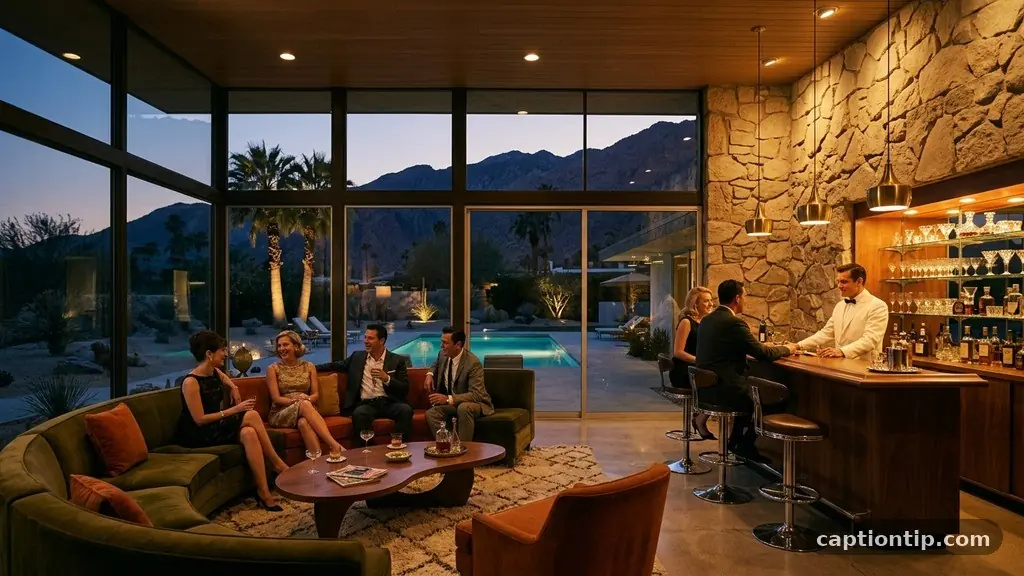
Exploring the connection between Frank Sinatra and Kendall Jenner reveals a fascinating intersection of classic Hollywood history and modern celebrity culture. While they belong to entirely different eras, the link between them is rooted in the enduring allure of Palm Springs and the specific architectural legacy of the desert.
Both figures have been drawn to the same sun-drenched landscape, finding sanctuary in homes that define the aesthetic of their respective generations. By examining how these two icons interact with the physical history of California, we can see how the concept of the celebrity home has evolved from a Rat Pack retreat to a contemporary social media backdrop.
The core link between Frank Sinatra and Kendall Jenner is the town of Palm Springs, California, and its status as a pilgrimage site for the elite. Sinatra famously lived at the Twin Palms estate, a property that became the epicenter of his social life during the 1950s and 1960s.
Kendall Jenner, representing the new wave of fame, has also spent significant time in the area, often showcasing the region’s unique desert modernism to her millions of followers. Their shared connection is not a personal meeting—as their timelines never overlapped—but a shared appreciation for the specific lifestyle that the Coachella Valley provides to those seeking privacy and style.
The Architecture of the Rat Pack Era
Frank Sinatra’s relationship with Palm Springs was more than just a preference for warm weather; it was a fundamental part of his identity as a performer and a host. In 1947, he commissioned architect E. Stewart Williams to design a home that would serve as a private getaway.
This resulted in the creation of the Twin Palms estate, a cornerstone of mid-century modern architecture. The house was designed with a piano-shaped pool, a signature feature that remains one of the most recognizable details in the history of celebrity homes.
The design philosophy focused on blurring the lines between indoor and outdoor living, a staple of what is now known as desert modernism. Large glass walls allowed for seamless transitions, while the low-slung roofline mirrored the surrounding mountain landscape.
This architectural heritage was not merely about aesthetics; it was a functional space built for high-stakes entertaining. Sinatra hosted countless members of the Rat Pack here, turning the residence into a symbol of post-war American prosperity and cool.
For modern observers, the house serves as a time capsule. It represents an era when celebrity real estate was used primarily for private indulgence rather than public branding.
The legacy of Twin Palms is so significant that it has been preserved as a historic site, allowing fans to rent the space and experience the atmosphere firsthand. It remains a definitive example of how a specific architectural style can become inextricably linked to the persona of the person who inhabited it.
Palm Springs as a Modern Celebrity Sanctuary
Kendall Jenner represents a shift in how celebrities engage with the desert landscape. While Sinatra’s interest in the area was rooted in the need for a semi-private club, Jenner’s connection is tied to the aesthetic curation of a public-facing life.
She has frequently visited Palm Springs for festivals, vacations, and photo shoots, often highlighting the same mid-century homes that Sinatra helped make famous. Her presence in the region underscores the enduring popularity of the architectural style that Sinatra championed decades ago.
The influence of desert modernism on contemporary pop culture is immense, and Jenner acts as a bridge between that history and a younger audience. By sharing images of these iconic residences on social media, she introduces the architectural history of the region to a demographic that might otherwise be unfamiliar with the mid-century movement. The visual language of the desert—the clean lines, the stark light, and the minimalist decor—aligns perfectly with her personal brand.
This is not to say that she is simply a tourist in these spaces. Her engagement with the environment reflects a broader trend where celebrities use historical architecture to anchor their image in a sense of classic sophistication.
The desert is no longer just a place to hide; it is a stage. By positioning herself within the landscape that Sinatra once defined, she participates in a long-standing tradition of Hollywood figures seeking out the unique atmosphere of the Coachella Valley.
Comparing the Eras of Celebrity Real Estate
The way in which these two icons interacted with property highlights a massive shift in the industry. During the 1950s, a star’s home was an extension of their personal social circle.
Sinatra’s investments were designed to facilitate private gatherings that were shielded from the constant scrutiny of the modern press. Today, celebrity real estate is often treated as a liquid asset or a curated set for digital content production.
| Feature | Frank Sinatra’s Era | Kendall Jenner’s Era |
|---|---|---|
| Primary Purpose | Private social hosting | Lifestyle branding and content |
| Architectural Style | Desert Modernism | Minimalist luxury |
| Visibility | Exclusive and guarded | Digitally shared and public |
| Location Context | Escape from Hollywood | Destination for events |
The evolution of these properties is evident in how they are marketed today. A home like Twin Palms is now sold on its historical provenance—the fact that “Ol’ Blue Eyes” once walked its floors adds immense value.
Conversely, modern celebrity homes are often marketed on their “Instagrammability” and potential for high-end production. This difference in value proposition defines the current market for luxury real estate in Southern California.
The Legacy of Desert Modernism
The architectural movement that defined the mid-century period in Palm Springs has seen a massive resurgence in recent years. This style, characterized by its emphasis on nature and functionality, has become the gold standard for luxury desert living.
Architects in the 1950s utilized materials like steel, glass, and local stone to ensure the houses felt grounded in the harsh, arid environment. This approach has stood the test of time, proving that good design is inherently sustainable.
Modern celebrities often seek out these historic homes because they offer a level of character that new construction frequently lacks. There is a weight to a house that has been occupied by historical figures, a sense of gravitas that money cannot buy.
This is why the preservation of these estates is so important for the cultural identity of the region. Without the preservation of sites like the ones Sinatra inhabited, the unique character of Palm Springs would likely be lost to generic development.
The appreciation for these structures has created a niche market where history and luxury intersect. Investors and celebrities alike now compete for properties that possess architectural significance.
This has driven up the prices of mid-century homes, turning them into highly coveted assets. It is a cycle where the fame of the past continues to generate economic and cultural value in the present.
Cultural Impact of the Hollywood Elite
The role of the celebrity in shaping the image of a location cannot be overstated. Sinatra’s presence in the desert essentially put Palm Springs on the map for the elite.
Before him, it was a quiet health retreat; after him, it became a playground for the wealthy. This transformation is a classic example of how individual influence can change the trajectory of an entire city’s development.
Kendall Jenner and her contemporaries continue this tradition by maintaining the area’s status as a top-tier destination. Through their social media activity, they ensure that the Coachella Valley remains relevant to each new generation.
Their influence acts as a form of cultural maintenance, keeping the region in the public eye. It is a symbiotic relationship where the location provides the backdrop for the star, and the star provides the publicity that keeps the location desirable.
This cycle of celebrity-led interest is what keeps the real estate market in the area so robust. When a high-profile figure is spotted in a specific neighborhood or enjoying a specific type of architecture, it immediately spikes interest in that area.
This phenomenon is why the connection between past and present icons remains a subject of fascination. It is not just about the people themselves; it is about the spaces they occupy and what those spaces represent.
Key Milestones in the Desert Connection
The history of this region is marked by several pivotal moments that have defined its current status. Understanding these milestones helps clarify why the area remains a focal point for high-profile individuals.
- 1947: Frank Sinatra commissions the Twin Palms estate, solidifying his role in the development of desert modernism.
- 1950s-60s: The rise of the Rat Pack turns Palm Springs into the ultimate destination for Hollywood’s elite.
- 1990s: A renewed interest in mid-century design begins, leading to the restoration of many historic properties.
- 2010s: The rise of social media and the Coachella festival brings a new generation of celebrities, including Kendall Jenner, to the desert.
- 2020s: The market for historic architectural homes reaches record highs as demand for unique, experiential living spaces grows.
These milestones illustrate a clear progression from personal sanctuary to global brand. Each phase has built upon the last, ensuring that the legacy of the area remains intact while adapting to the needs of the modern era. The transition from the era of Sinatra to the era of social media icons has been surprisingly smooth, largely because the architectural foundation of the region is so strong.
Preserving Architectural Heritage
The preservation of these sites is a complex task that involves balancing historical integrity with modern requirements. Owners of these homes often face the challenge of updating the interiors for contemporary luxury while respecting the original design intent.
This is especially true for homes that are protected by historical designation. The process requires a delicate touch and a deep understanding of the original architect’s vision.
For those interested in the details of these preservation efforts, the National Park Service provides extensive resources on how historic structures are maintained. It is a vital process that prevents the degradation of these cultural assets.
Without these efforts, the unique aesthetic of Palm Springs would quickly fade. The care taken to preserve Sinatra’s home, for example, allows future generations to experience the same space that once hosted the most influential people in America.
Modern owners are increasingly taking on the role of stewards rather than just residents. They recognize that owning a piece of history comes with a responsibility to maintain it for the public good.
This shift in mindset is crucial for the survival of mid-century architecture. It ensures that these homes continue to serve as a link between the past and the present, providing a tangible connection to the legends who once called them home.
The Future of Celebrity Real Estate
The trajectory of celebrity real estate suggests that we will continue to see an emphasis on unique, architecturally significant properties. As the world becomes more digitized, the value of a physical, tangible space with a rich history will only increase.
We are likely to see more celebrities investing in homes that offer not just comfort, but a sense of place and narrative. The story of the home is becoming just as important as the home itself.
This trend bodes well for the preservation of historic sites. As more high-profile individuals look for properties that distinguish them from the crowd, the demand for mid-century modern homes will remain high.
This provides the economic incentive needed to keep these houses in good repair. The future of the desert landscape is therefore tied to the ongoing appreciation of its past.
Ultimately, the connection between figures like Frank Sinatra and Kendall Jenner is a testament to the enduring power of style and location. While their methods of engaging with the world may differ, their shared attraction to the desert landscape highlights a universal desire for beauty and exclusivity. As long as these homes stand, the stories of those who occupied them will continue to inspire new generations of admirers.
FAQ
Did Frank Sinatra and Kendall Jenner ever meet?
No, there is no record of Frank Sinatra and Kendall Jenner ever meeting. Sinatra passed away in 1998, which was several years before Jenner began her career in the public eye.
What is the link between them?
The primary link is their shared connection to Palm Springs and its specific architectural history. Both have been associated with the region’s mid-century modern aesthetic, which Sinatra helped popularize as a lifestyle.
Why is the Twin Palms estate famous?
The Twin Palms estate is famous for its unique mid-century modern design by E. Stewart Williams and its history as the primary residence of Frank Sinatra during his peak years with the Rat Pack. It is particularly known for its piano-shaped swimming pool.
Are these homes still accessible to the public?
Many of the historic mid-century homes in Palm Springs, including the Twin Palms estate, are available for private rental or tours. This allows fans to experience the architecture firsthand.
How does modern celebrity culture affect desert real estate?
Modern celebrities often use their platforms to highlight the beauty of these historic homes, which keeps interest in the region high. This constant visibility helps maintain property values and encourages the preservation of architectural heritage.
The enduring legacy of Palm Springs as a hub for the elite is built on the foundations laid by legends like Frank Sinatra. By examining the connection between his era and the present-day influence of stars like Kendall Jenner, we gain a clearer picture of how celebrity culture interacts with the physical world. The desert continues to serve as a canvas for those seeking to define their own sense of style and status.
Whether through the lens of a classic film or a modern social media feed, the allure of this landscape remains constant. Engaging with this history provides a deeper appreciation for the architecture and the stories that define the culture of Southern California today.