
Navigating the intricacies of a TikTok Story Viewer: How It Works and What to Know is essential for anyone curious about digital privacy on social media. Many users wonder if their activity leaves a permanent digital footprint when they engage with ephemeral content. By understanding the platform’s specific tracking mechanisms, you can browse with confidence and clarity.
This article breaks down the reality of view counts, privacy settings, and the actual utility of third-party tools. You will learn exactly how the system functions and why protecting your data remains a top priority for every active user on the app.
The Reality of Privacy on TikTok
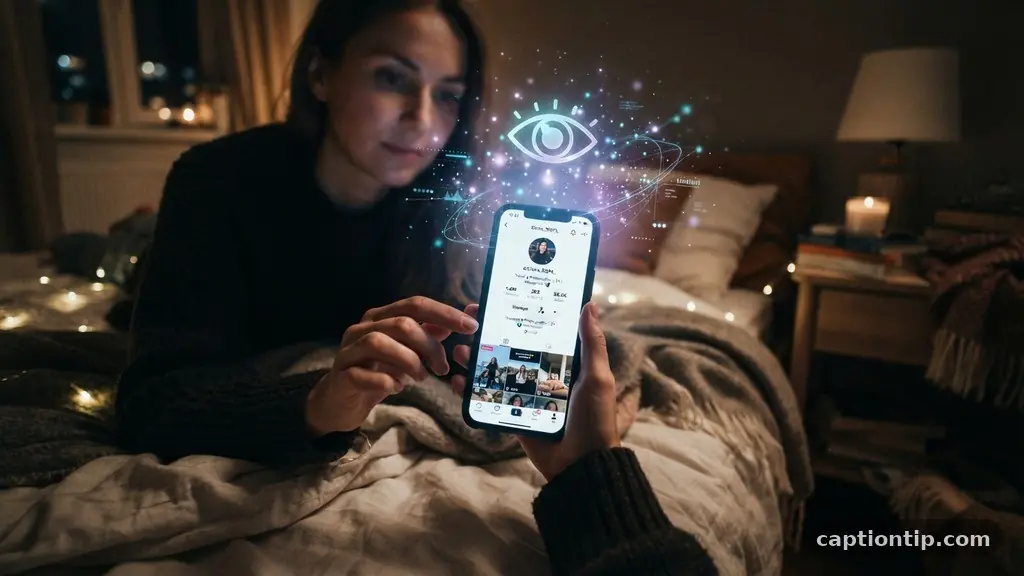
When you view a story on TikTok, the platform’s internal architecture records that interaction. Unlike some other platforms that allow for true anonymity, TikTok is designed to foster engagement between creators and their audience.
The system logs your profile visit and your story interaction as part of the analytics provided to the account owner. This means the creator can see who has interacted with their content through their own dashboard.
If you are logged into your account, your digital identity is tied to the view. There is no native setting within the app that allows you to toggle off your view status while still consuming content.
This transparency is a core feature of the platform’s social ecosystem. It encourages creators to produce content that resonates with their specific followers rather than an invisible, untraceable mass.
Privacy settings on your own account do not prevent you from being seen when you look at someone else’s story. Even if you have a private account, the act of viewing a public story will still register your username on the creator’s list.
You cannot hide your presence by making your profile private or restricting your own content. The platform prioritizes the creator’s right to know who is consuming their work over the viewer’s desire for complete anonymity.
How the TikTok Story Viewer List Functions
The list of people who have viewed a story is a dynamic, real-time feature. Creators can access this list by opening their own story and tapping on the view count icon located at the bottom of the screen.
This list typically displays the usernames of everyone who has interacted with the content. The order of this list is often determined by the platform’s algorithm rather than a simple chronological timeline.
Engagement history often influences where a name appears on the viewer list. If you frequently interact with a specific creator, your name might appear higher on their list than someone who rarely engages.
This algorithmic sorting helps creators identify their most active supporters and community members. It is not a pure list of who arrived first, but rather a reflection of account relationships.
It is important to note that the list is only visible to the person who posted the story. You, as a viewer, cannot see who else has looked at a piece of content.
This unilateral visibility is standard for most social media stories. If you are worried about who else knows you are watching, rest assured that the information is restricted to the creator alone.
Debunking Anonymous Viewing Tools
The internet is filled with websites and apps claiming to be a functional TikTok Story Viewer. These tools often promise that you can watch content without the creator ever knowing.
In reality, these services are frequently unreliable and often pose significant security risks to your personal data. They often require you to input a target username, after which they claim to “fetch” the data for you.
Most of these third-party platforms are actually phishing sites designed to harvest your device information or IP address. By interacting with these tools, you risk exposing your account to unauthorized access or malicious scripts.
Legitimate social media platforms like TikTok have strict APIs that prevent external services from accessing private viewer lists. Any site claiming to bypass these security measures is likely operating outside of the platform’s official terms of service.
If a tool asks you to log in with your TikTok credentials to “view anonymously,” you should treat it as a major security threat. Providing your password to a third-party site is the quickest way to lose control of your account.
Always prioritize your digital safety over the curiosity of viewing content without a trace. The official TikTok Help Center provides the only reliable information regarding privacy and account security.
Can You Watch Content Without Being Seen?
If you want to view a story without your profile appearing on the viewer list, your options are extremely limited. The most straightforward method is to simply not watch the story while logged into your account.
However, since many accounts are set to private or require interaction to view, this is often not possible. Some users attempt to use secondary or “burner” accounts to observe content, but this still registers a view from that specific account.
There is no “incognito mode” for viewing stories on the platform. The system is fundamentally built on the exchange of identity for access to content.
If you are concerned about a creator knowing you have viewed their post, the most effective strategy is to limit your interaction with their profile. If the content is public, you have to accept that your engagement is part of the public record of that post.
| Method | Privacy Level | Risk Factor |
|---|---|---|
| Official App (Logged In) | None | Low |
| Third-Party Viewer Apps | Variable | High |
| Browser Guest Access | Low | Medium |
Managing Your Own Story Privacy
You have total control over who sees your own content by adjusting your privacy settings. When you post a story, you can restrict the audience to “Friends,” “Followers,” or “Everyone.”
If you choose “Friends,” only people you follow back can view your updates. This is the most effective way to curate your audience and ensure that your stories remain within a trusted circle.
You can also change these settings on a post-by-post basis. Before you hit the publish button, check the privacy icon to see who is permitted to view your story.
This allows you to share more personal content with a smaller group while keeping other posts open to the public. Being proactive with these settings is the best defense against unwanted attention.
If you find that an unwanted user is viewing your content, you have the power to block them. Once a user is blocked, they can no longer see your profile, your videos, or your stories.
They will also be removed from your viewer lists entirely. Managing your own digital boundaries is a standard part of maintaining a healthy social media presence.
Understanding the Mechanics of Engagement
Engagement metrics are the lifeblood of the TikTok ecosystem. Every view, like, comment, and share contributes to how the algorithm categorizes your content.
When a creator looks at their story viewer list, they are often looking for patterns in who is interested in their brand. This data helps them tailor their future content to be more engaging and relevant to their specific audience.
For the user, this means that your viewing habits are essentially a form of feedback. If you watch a creator’s stories consistently, the algorithm will begin to show you more of their content on your “For You” page.
This creates a feedback loop that defines your personal experience on the app. Being aware of this helps you understand why you see certain creators more often than others.
The transparency of the viewer list is not meant to be a tool for harassment. It is a tool for community building.
Creators use this data to identify their most loyal fans, which allows them to build stronger connections. If you want to support a creator, interacting with their stories is a direct way to signal your interest to them.
Common Misconceptions About View Counts
Many users believe that viewing a story multiple times will bump them to the top of the list. There is no evidence that repeated viewing changes your position on the list.
The platform’s algorithm uses complex signals, including your history of interaction and mutual follows, to rank viewers. Simply refreshing the story or watching it on loop does not “trick” the system into giving you more prominence.
Another common myth is that you can see a “ghost viewer” count that is higher than the number of names on the list. If you see a discrepancy, it is usually due to privacy settings or accounts that have been deleted.
When a user deletes their account after viewing a story, their name may vanish from the list, but the total count might take time to update. These technical lags are normal and do not indicate hidden spectators.
Finally, some believe that blocking a user after viewing their story will retroactively remove your name from their list. While blocking prevents future interactions, it is not always instantaneous in terms of server-side data reflection.
Once you have viewed a story, the information is sent to the creator’s server. Relying on a block to hide your tracks is an unreliable strategy.
FAQ: Frequently Asked Questions
Does the creator get a notification every time I view their story?
No, the creator does not receive a push notification for every individual view. They have to manually open their story and check the viewer list to see who has watched it. You won’t trigger an alert on their phone just by clicking through their content.
Can I see if someone has viewed my story multiple times?
The platform does not provide a breakdown of how many times a single user has watched your story. The list simply indicates that a specific user has viewed it at least once. There is no “view count per user” metric available to creators.
Is there any way to view a private account’s story without them knowing?
There is no legitimate way to view a private account’s content without their permission. If you are not a follower, you cannot see their stories at all. Any tool claiming to bypass private account restrictions is likely a scam designed to steal your information.
Why did my friend’s name disappear from my viewer list?
If a name disappears, it is likely because that user has blocked you, deleted their account, or changed their privacy settings to limit who can see their activity. It could also be a temporary glitch in the app’s data synchronization. Usually, this is a result of the user taking action on their own profile.
Key Takeaways for Digital Safety
Ultimately, the best way to approach your experience on the app is to assume that your activity is visible. Privacy on social media is a trade-off for the ability to interact with others.
By using the built-in privacy settings on your own account, you can effectively manage who gets to see your content. Avoid the temptation to use third-party tools, as the risks far outweigh any potential benefit of anonymous browsing.
* Use official privacy settings to control your own audience.
* Block users if you want to restrict their access to your profile.
* Never share your login credentials with third-party sites.
* Understand that viewing content is an active, recorded engagement.
Staying informed about how these features work ensures that your time spent online remains positive and secure. Always prioritize your account integrity over curiosity about hidden metrics.
If you have further concerns, checking the official support documentation is the most reliable way to stay updated on policy changes. Enjoy creating and connecting, and keep your digital footprint in mind as you explore the platform.